High-Performance Solutions & Industrial Excellence
In the modern industrial landscape, precision and reliability are the cornerstones of success. Our latest technology focuses on delivering unparalleled performance while maintaining cost-efficiency. By integrating advanced materials with cutting-edge engineering, we ensure that every component meets rigorous international standards.
🚀
Key Innovation: The system utilizes a proprietary modular design, allowing for seamless integration into existing workflows without significant downtime.
Core Technical Advantages
- Enhanced Durability: Engineered for 24/7 continuous operation in harsh environments.
- Smart Integration: Compatible with various industry protocols for real-time monitoring.
- Energy Efficiency: Reduces operational power consumption by up to 30% compared to traditional models.
- Precision Control: High-resolution feedback loops for micro-adjustments.
Product Showcase & Applications
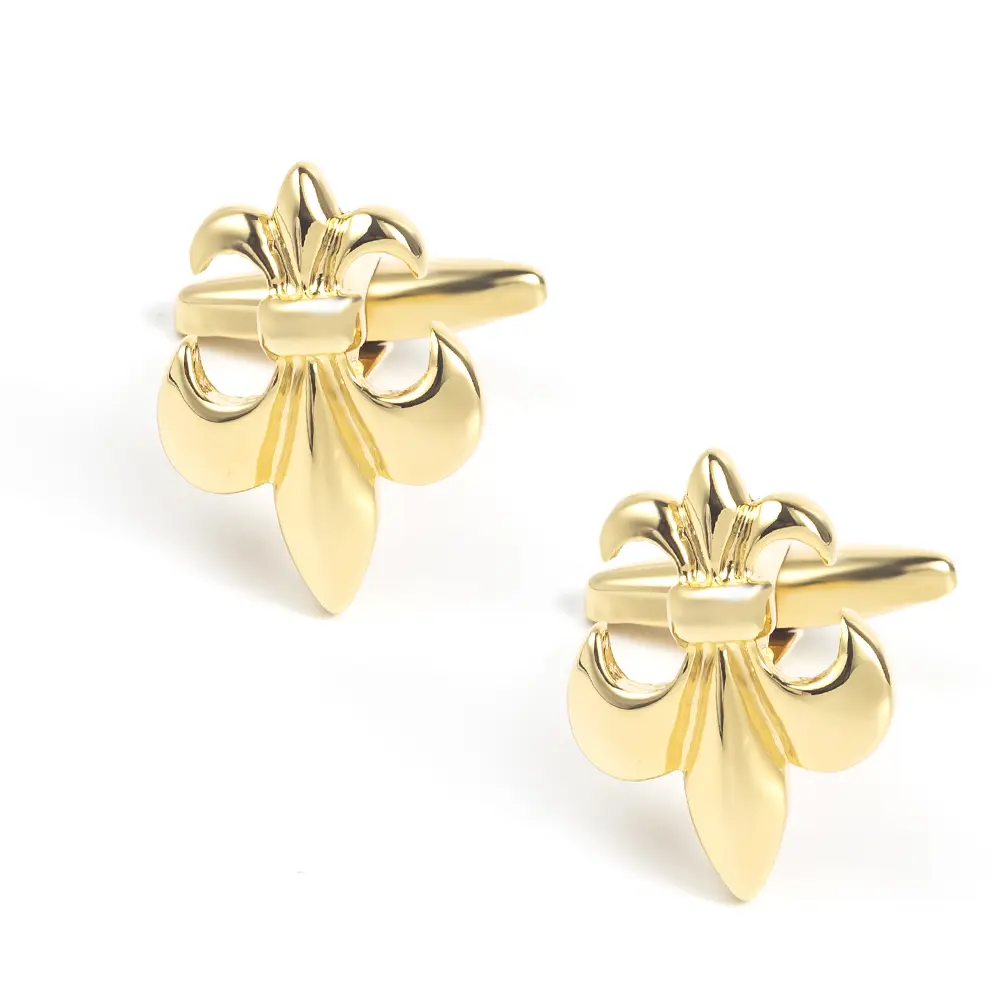
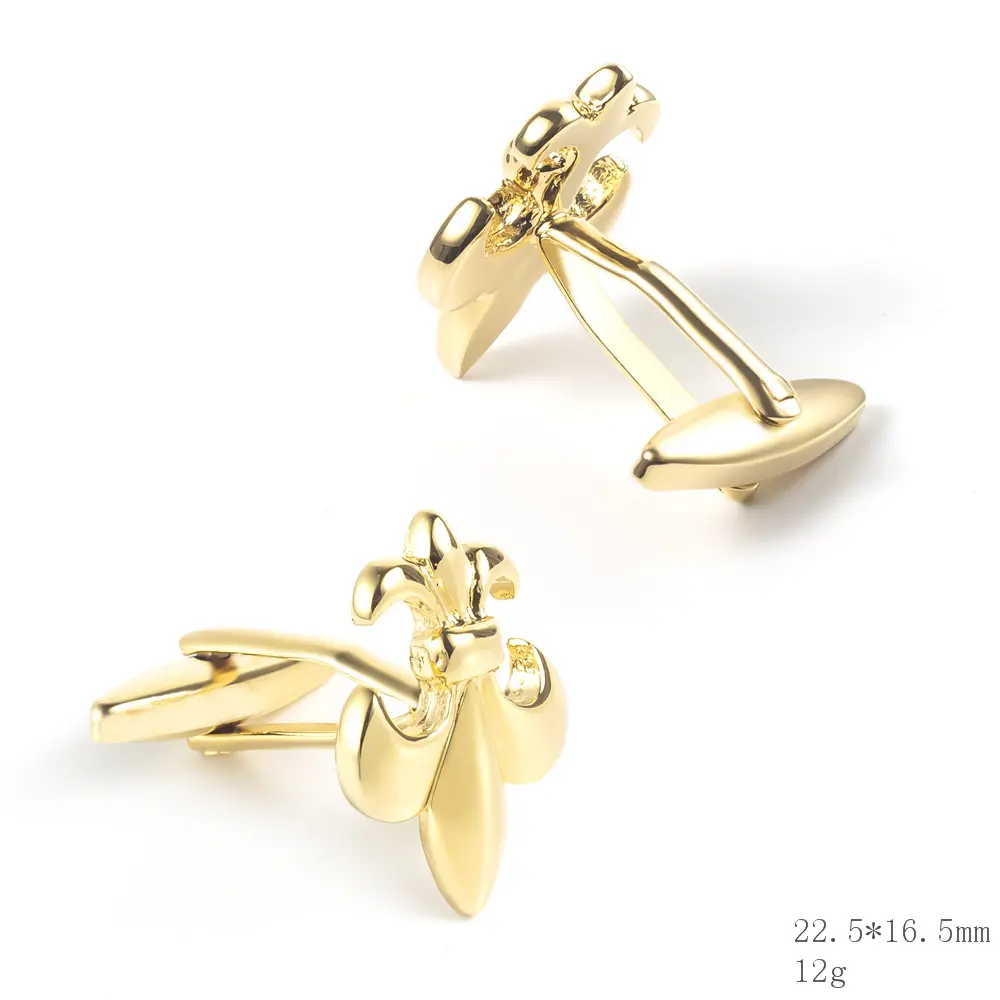
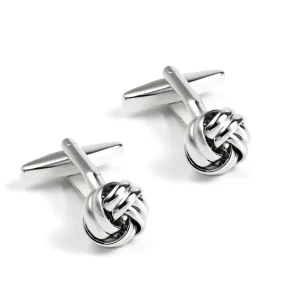
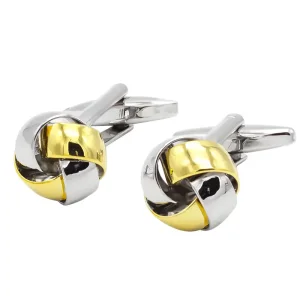
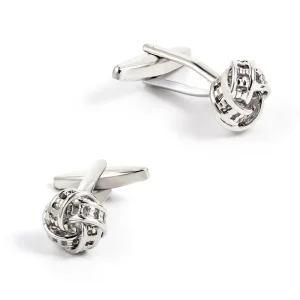
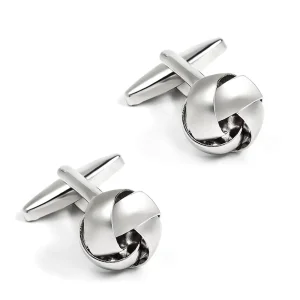
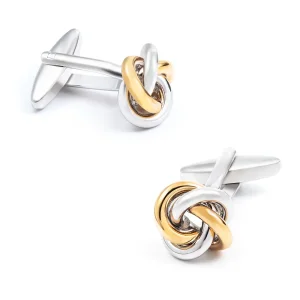
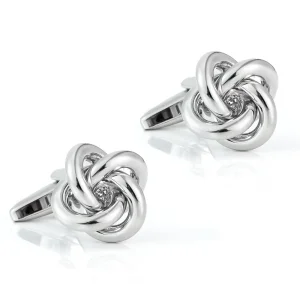
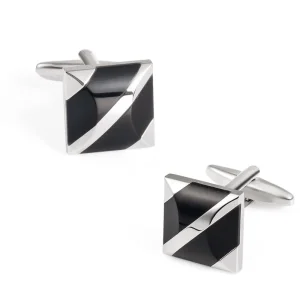
The visual representation above demonstrates the sleek design and robust build quality. Each unit undergoes multi-stage quality inspections to guarantee flawlessness upon delivery.
Optimized Operational Workflow
Efficiency is not just about speed; it's about the consistency of output. Our solutions prioritize stable thermal management and vibration resistance, ensuring that precision is maintained over long-term usage cycles.
Frequently Asked Questions
Q1: What industries are these solutions best suited for?
A1: These products are widely used in automotive manufacturing, aerospace engineering, electronic assembly, and heavy-duty industrial processing.
Q2: How does the system handle extreme temperature fluctuations?
A2: The equipment is built with high-grade thermal-resistant alloys and features an active cooling system to maintain stability between -20°C and +60°C.
Q3: Is professional installation required for this equipment?
A3: While the system is designed for "plug-and-play" simplicity, we recommend a standard calibration by a qualified technician to ensure optimal performance settings.
Q4: What is the typical maintenance cycle?
A4: Under standard operating conditions, a basic inspection is recommended every 5,000 hours of operation to ensure all moving parts remain lubricated and calibrated.
Q5: Can the hardware be customized for specific project requirements?
A5: Yes, the modular architecture allows for various configurations regarding size, power output, and interface connectivity to meet unique operational needs.
Q6: Are the replacement parts readily available?
A6: We maintain a standardized component list, ensuring that wear-and-tear parts are universal and easily sourced to minimize any potential downtime.
 JinJie Arts & Crafts