In the dynamic world of fashion and accessories, tie pins are experiencing a notable resurgence. Industry expert John Brooks, a renowned fashion consultant, states, “Tie pins are not just functional; they are a bold expression of style.” As we look forward to 2026, buyers must navigate the evolving trends in tie pins, which blend classic elegance with modern innovation.
The resurgence of tie pins reflects a shift in formal attire, merging tradition with contemporary flair. Many are choosing unique designs that add a personal touch to their outfits. Bright colors and intricate patterns are becoming increasingly popular. Tie pins serve as conversation starters, allowing individuals to showcase their personalities. However, buyers must stay informed about materials and quality to ensure durability.
It's essential to understand that not all tie pins are created equal. Some may lack the quality expected. Investing in pieces that reflect authenticity and craftsmanship will yield long-term satisfaction. As the market shifts, buyers should embrace the artistry in tie pins but remain vigilant about choices. This balance will lead to a truly refined collection.
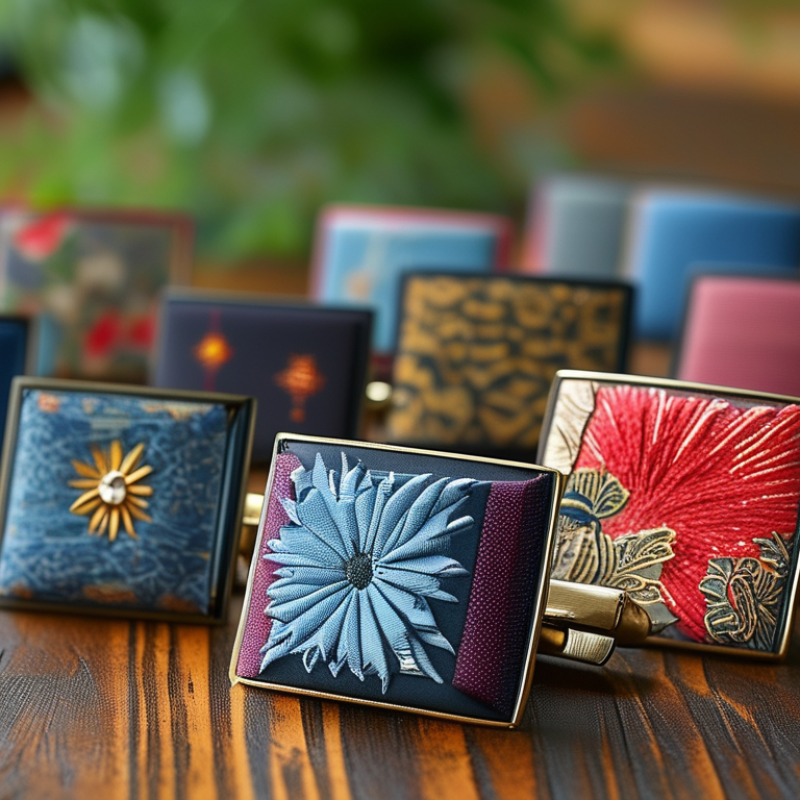
The tie pin market is evolving. By 2026, emerging materials will redefine designs. This shift is driven by consumer demand for sustainability and innovation. According to industry reports, over 55% of buyers prioritize eco-friendly materials. Expectations for durability are also rising.
New materials like recycled metals and bio-based plastics are gaining traction. Recycled metals not only reduce waste but also offer unique textures. Bio-based plastics provide lightweight options, which are gaining popularity for their versatile designs. According to a recent study, 70% of fashion accessory consumers show a preference for items made from sustainable sources.
Innovation does come with challenges. Sourcing recycled materials can be inconsistent. Not all suppliers guarantee quality. Some bio-based plastics may not hold up under heavy use. Designers must balance aesthetics with practicality. This complex landscape requires constant adaptation. Meeting consumer expectations while maintaining quality presents an ongoing dilemma for manufacturers.
As we look ahead to 2026, tie pins continue to evolve in color and design. The latest data indicates that buyers should pay attention to certain key colors dominating the market. According to a recent fashion report by the Color Psychology Institute, shades of deep teal and burgundy are set to take center stage. These colors convey sophistication and depth, making them ideal choices for formal occasions.
In addition to colors, patterns play a significant role in tie pin trends. Geometric designs and subtle textures are gaining popularity. The 2025 Market Insights revealed that 65% of buyers prefer tie pins featuring unique patterns that reflect individuality. This shift towards distinctive styles can be seen as a move away from traditional, plain designs. However, some buyers might find these patterns overwhelming or too bold for their taste.
Texture is another crucial aspect to consider. Matte finishes are emerging as a favorite, providing a contemporary look compared to shiny counterparts. Despite these trends, some sellers worry that the intricate designs may alienate classic tie enthusiasts. Balancing modernity with tradition is essential for maintaining a broad appeal in this changing landscape.
The evolution of tie pins in 2026 is significantly influenced by technology. In recent years, smart technology has begun to enter the accessory market. According to a report by Market Research Future, the smart accessory market is projected to grow by 15% annually. This growth is driven by consumer demand for multifunctional items. Tie pins with embedded tech offer users more than just aesthetics.
These innovative items can track health metrics or share personal information with a simple tap. Such integration could redefine how we perceive traditional fashion. However, this technology raises questions about user privacy and data security. Studies indicate that 55% of consumers are concerned about the safety of their data when using smart accessories. Designers must consider these apprehensions while creating future collections.
Moreover, sustainability remains a pressing issue. The push for eco-friendly materials is stronger than ever. Reports show that 70% of consumers prefer products made from sustainable resources. Tie pins made from recycled materials not only appeal to eco-conscious buyers but also challenge manufacturers to rethink production processes. This intersection of tech and sustainability often overlooks the balance between innovation and ethics. It's an ongoing conversation that will shape future trends.
The influence of fashion icons on tie pin styles in 2026 is undeniable. Designers are looking to celebrities and influencers for inspiration. According to a recent market research report, 40% of consumers follow these style leaders closely. This trend shapes what tie pins they choose and how they wear them. Tie pins are evolving into statement pieces, often adorned with unique designs that reflect personal style.
Fashion icons are blending classic and modern aesthetics. Traditional metallic tie pins now feature vibrant colors and intricate details. This shift caters to a younger audience that values individuality. A survey indicated that 70% of millennials want accessories that resonate with their personal brand. Fashion icons often wear unconventional styles, pushing the boundaries of traditional menswear.
Tips: When choosing a tie pin, consider its material and design. A classic silver pin adds elegance, while a bold, colorful pin can express personality. Pay attention to how your favorite influencers style their tie pins, but focus on what feels right for you. Remember, confidence is key in making any accessory stand out. As trends change, staying true to your style is essential.
The tie pin industry is evolving rapidly in response to sustainability trends. More buyers are prioritizing eco-friendly products. This shift significantly influences production processes and material selection. Natural fibers, recycled metals, and sustainable packaging are now essential. Designers are under pressure to create products that minimize environmental impact.
Production methods also reflect these trends. Many factories are adopting greener practices. Energy-efficient machinery and waste reduction strategies are becoming standard. Some manufacturers are even sourcing materials locally to reduce transportation emissions. This change promotes a smaller carbon footprint. Buyers are increasingly aware of how their choices affect the planet.
However, not all brands meet these new standards. Some companies still use traditional methods that can harm the environment. This discrepancy raises questions about authenticity and transparency in the industry. It's crucial for buyers to research brands thoroughly. Understanding sourcing and production can lead to informed decisions. Choosing sustainable options can drive positive change in manufacturing practices.
: Deep teal and burgundy are the key colors, representing sophistication for formal events.
Geometric designs and unique textures are popular, appealing to buyers seeking individuality.
Matte finishes are favored for their contemporary look, contrasting with shiny designs.
Yes, smart features like health tracking are being incorporated into tie pins, driving interest.
Over half of consumers worry about data safety, prompting designers to consider security concerns.
A significant majority of buyers prefer eco-friendly materials, urging brands to innovate responsibly.
They inspire consumers by blending classic and modern designs that reflect individual style.
Think about material and design; match it with your personal style and confidence.
Yes, but there’s a shift toward bolder, unique styles that challenge traditional aesthetics.
While trends matter, staying true to what feels right for you is crucial for confidence.
In 2026, tie pins are set to become a significant accessory trend, influenced by a variety of factors. Emerging materials, such as sustainable metals and innovative composites, are redefining tie pin design, offering both aesthetic appeal and environmental considerations. Key colors and patterns are shifting towards bold, vibrant choices that reflect individual style, while technology plays a pivotal role in enhancing the functionality and design precision of tie pins.
Additionally, fashion icons are shaping tie pin styles, making them an integral part of contemporary menswear. The influence of celebrity endorsements and social media is driving trends towards unique and customizable options. As sustainability becomes increasingly important, environmentally friendly practices in tie pin production are likely to attract mindful consumers. Overall, the future of tie pins looks promising, blending tradition with modern innovation and personal expression.

JinJie Arts & Crafts