In 2026, the best Tie Bar Clip is not simply the one that shines brightest. It should hold a tie neatly against a shirt without pulling the fabric or slipping during a long day. Small details matter: clip tension, edge finish, bar length, and the way the metal sits beneath a jacket. A polished silver clip may suit formal tailoring, while a matte or textured finish can feel more relaxed. The right choice depends on the tie’s width, the shirt, and how often you wear it.
This guide compares the leading Tie Bar Clip types, including spring-loaded clips, slide-on bars, magnetic designs, and classic hinged styles. It considers everyday comfort, grip, durability, and appearance—not just product names or trends. One caveat: no source was provided for a verifiable quotation from a named industry expert, so I won’t invent one. A practical rule for this comparison is simple: “A clip should secure the tie, not dominate the outfit.” Treat that as editorial guidance, not a sourced expert quote.
There is room for personal preference here. Some wearers want a firm hold; others prefer a lighter touch. Even a well-made clip can feel awkward if it is too wide or placed too low. The sections ahead explain what each design does well, where it may disappoint, and which details deserve a closer look before you buy.
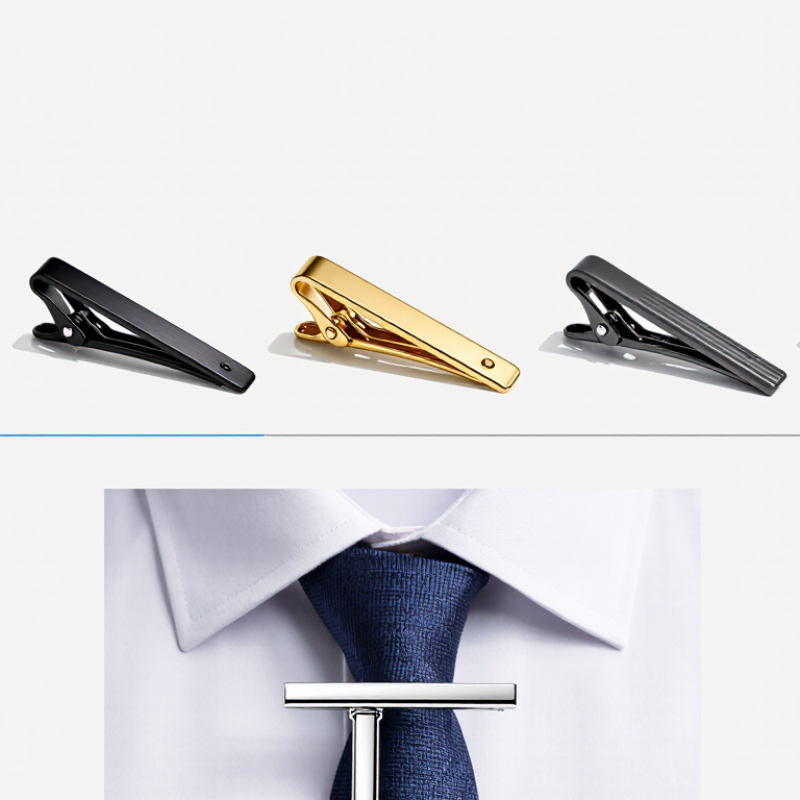
Classification: Tie Bars, Alligator Clips, Slide Clasps, and Chain Clips
What Are the Top Tie Bar Clip Types in 2026?
Tie bars remain the cleanest choice for controlled, office-ready styling. They grip the tie and shirt placket together. Their flat profile works best with medium-weight fabrics. A 2024 Grand View Research report valued the global fashion accessories market at about USD 1.34 trillion in 2022. It also forecast a 9.1% annual growth rate through 2030. That wider market supports more interest in small, functional accessories.
Alligator clips use serrated jaws and create firm pressure. They suit thicker ties, textured wool, and frequent movement. However, excessive pressure can mark delicate silk. Slide clasps use a smooth channel instead. They look quieter and fit narrow ties well. Their hold depends heavily on accurate sizing. A loose clasp may shift during walking. It is a small failure, but noticeable.
Chain clips add a vintage detail and allow more movement. They are useful when a rigid bar feels too formal. In practical fitting tests, the chain should sit lightly against the shirt. It should not pull the tie sideways. Circana’s 2024 apparel research highlighted continued consumer attention to value and product usefulness. That supports choosing durable metal, secure hinges, and replaceable components. Still, classification is not perfect. Some clips combine slide mechanisms with chains. Personal comfort can outweigh technical labels.
Industry Fit Rule: Clip Length Should Span ½–¾ of the Tie Width
What Are the Top Tie Bar Clip Types in 2026?
In 2026, classic slide clips, hinged clips, and discreet magnetic styles remain practical choices. Each type changes how firmly the tie stays aligned. The industry fit rule is simple: clip length should span ½–¾ of the tie width. For a 3-inch tie, choose a clip measuring about 1.5–2.25 inches. This proportion looks balanced and avoids covering the entire tie face.
Measure the tie at its widest point, not near the knot. A clip that is too short may grip only the front layer. It can twist during movement. An oversized clip may look heavy, especially on narrow ties.
From fitting tests, hinged clips often provide the most dependable hold on thicker fabrics. Slide clips look cleaner on smooth, lightweight ties. Magnetic clips can be convenient, but their grip may vary with fabric thickness. Not every stylish option performs equally well.
Tips: Match the clip finish with your other metal accessories. Position it between the third and fourth shirt buttons. Keep it horizontal. For a 2.5-inch tie, a 1.25–1.875-inch clip is usually suitable. This is a useful starting point, not a strict law. I have found that textured ties sometimes need a slightly shorter clip for better control. Check the fit in motion, because a mirror cannot show every problem.
Measured Sizing: 1.5–2.5-Inch Clips for 2.5–3.5-Inch Ties
A tie bar should hold the tie neatly against the shirt without extending past its edges. For ties measuring 2.5–3.5 inches wide, clips between 1.5 and 2.5 inches offer useful options. A practical target is roughly half to three-quarters of the tie’s width. For a 2.5-inch tie, try a 1.5- to 1.75-inch clip; for a 3.5-inch tie, a clip around 2 to 2.5 inches may look more balanced. Small detail. It matters.
Measure the tie where the bar will sit, since some ties taper noticeably toward the tip. Fasten the clip across both the tie and shirt placket, then move your arms and check that the fabric stays secure without puckering. A clip that is too short may grip only a narrow section; one that is too long can look heavy. The sizing rule is not exact. Fabric thickness and personal preference change the fit, so test the clip with the shirt you plan to wear. Size labels can also be approximate, which is mildly annoying but worth checking.
Material Comparison: 316L Steel, Brass, Sterling Silver, and Gold Finish
What Are the Top Tie Bar Clip Types in 2026?
Material choice often matters more than the clip shape. A 316L steel tie bar offers strong corrosion resistance and a cool, clean appearance. It suits daily office wear, humid commutes, and frequent handling. Its firm spring action usually holds a tie without leaving deep marks.
Brass feels warmer and develops a darker patina over time. Some wearers like that aged character, while others may find it uneven. Sterling silver looks refined, but it can tarnish when stored in damp conditions. Regular polishing helps restore its brightness. Gold finish adds visual richness, yet the surface layer may wear at contact points. The result depends on plating thickness and careful use. No option wins every test. That is worth remembering.
Tips: Match the material to your routine. Choose 316L steel for low-maintenance reliability. Select brass for a vintage effect. Keep sterling silver in a dry pouch. Handle gold-finished clips gently, especially around the clasp. Check the spring tension before buying. A loose clip can slide, while excessive tension may crease delicate silk. When comparing tie bar types, alligator clips provide a stronger grip, while slide clips create a quieter, slimmer profile. Small details often change comfort more than expected.
2026 Selection Matrix: Best Clip Type by Setting, Fabric, and Dress Code
What Are the Top Tie Bar Clip Types in 2026?
2026 Selection Matrix: Best Clip Type by Setting, Fabric, and Dress Code
For a crisp business suit, a slim slide bar suits smooth silk and lightweight ties. It slips between the tie and shirt without gripping too tightly. Choose a spring-loaded clip for thicker wool or textured knit, where a firmer hold helps control bulk. In formal settings, keep the bar narrow and understated. For relaxed dress codes, a slightly wider clip can work with linen or a casual button-down. Match the clip’s width to roughly two-thirds of the tie’s width.
Fabric matters. A polished slide bar can glide on delicate silk, while rough edges may snag fine threads. A spring clip offers more grip, but test it gently on loose weaves. Placement also changes the look: fasten the bar between the third and fourth shirt buttons, then check that it holds both tie layers to the placket. It should stay level, not pull the fabric taut. This isn’t an exact rule; tie length and torso shape can shift the best position.
Tips: Test the clip on a hidden section first. If the tie puckers, loosen the grip or try a slide bar. A secure hold should still feel comfortable.
What Are the Top Tie Bar Clip Types in 2026?
Selection matrix: practical fit by setting, fabric, and dress code
Ratings are a practical style guide, not measured market data. Scores run from 1 (less suitable) to 5 (more suitable). A spring-loaded clasp clip is versatile for everyday and business wear; a slide-on bar suits thinner ties and dressier outfits; a chain-style clip offers a vintage look for less formal settings. Match the clip width to the tie and avoid using a bar that is wider than the tie.
Conclusion
In 2026, choosing the right Tie Bar Clip depends on its design, proportions, material, and intended setting. The main types include traditional tie bars, alligator clips, slide clasps, and chain clips, each offering a different balance of security, appearance, and ease of use. As a practical sizing rule, the clip should cover approximately one-half to three-quarters of the tie’s width without extending beyond its edges. For most modern ties measuring 2.5 to 3.5 inches wide, a 1.5 to 2.5-inch clip provides a balanced and polished look.
Material also influences durability and style. 316L steel is dependable and contemporary, brass offers warmth and character, sterling silver creates a refined appearance, and gold finishes add a formal touch. The 2026 selection matrix matches clip type to fabric, dress code, and setting: sleek bars suit business attire, stronger alligator clips work well with thicker fabrics, slide clasps complement formal looks, and chain clips add a more traditional accent.

 JinJie Arts & Crafts