Global buyers are paying closer attention to small accessories that signal quality, identity, and professional detail. Tie Pins remain practical additions for uniforms, formalwear, corporate gifts, and wedding collections. Their value depends on more than appearance. Buyers must assess metal composition, clasp strength, surface finishing, packaging, and supplier consistency.
Industry data supports this wider purchasing shift. The McKinsey and Business of Fashion State of Fashion 2025 report emphasizes stronger consumer focus on value, durability, and product differentiation. Grand View Research also identifies continuing growth in the global jewelry and personal accessories sector, where design, material quality, and branding influence purchasing decisions. These findings do not measure Tie Pins directly. That limitation matters. Niche accessory data is often fragmented, especially across wholesale markets.
This guide examines the top 10 Tie Pins for international buyers through a practical sourcing lens. It considers classic bar pins, minimalist clips, novelty designs, engraved options, luxury finishes, and sustainable-material styles. Each category is reviewed for appearance, everyday usability, target customer, and commercial potential. A polished gold-tone pin may suit executive gifting, while a matte stainless-steel design can better fit daily uniforms. Small details matter.
Supplier reliability also deserves attention. Buyers should request samples, confirm dimensions, review finish consistency, and clarify minimum order quantities before committing. Responsible sourcing requires transparent material information and dependable quality control. No ranking can fit every market. A retailer in London may value understated design, while a distributor in Dubai may prefer stronger visual contrast. That is the point. This list offers direction, not a perfect answer.
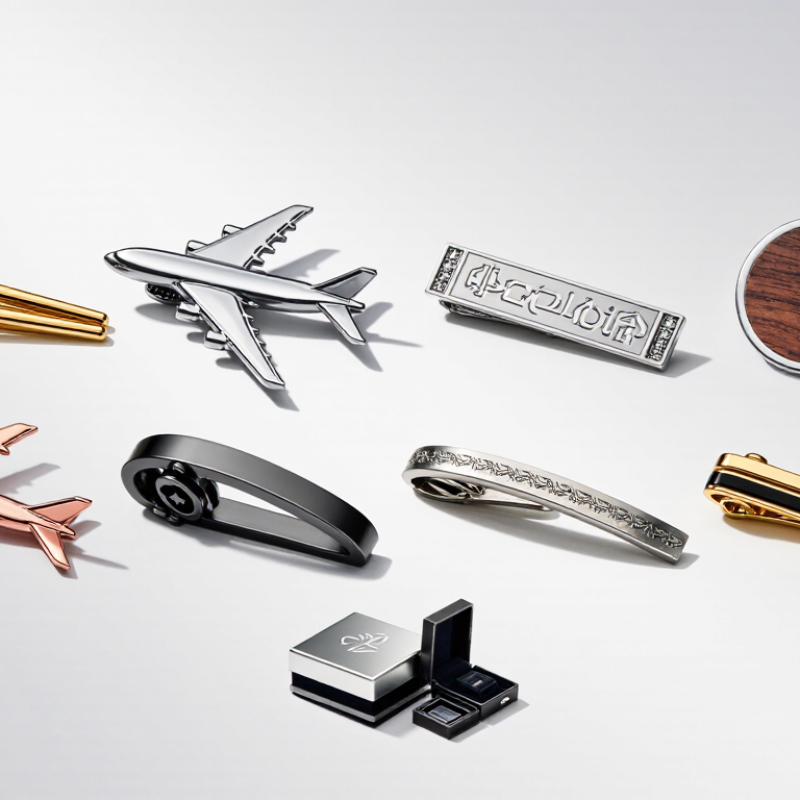
What Are the Top 10 Tie Pins for Global Buyers?
A suitable tie pin must balance appearance, function, and dependable quality. Global buyers often choose classic bars, minimalist clips, engraved styles, chain pins, and decorative lapel-inspired designs. The best option depends on the wearer, event, and purchasing market. Stainless steel offers strength, while brass and alloy can provide warmer finishes. However, surface plating should resist peeling after repeated handling. A pin should also hold firmly without crushing delicate silk fabric.
Tips: Check the clasp by opening and closing it repeatedly. Inspect the edges under bright light. Sharp corners suggest poor finishing. Ask for material details, dimensions, weight, and sample photos before placing a large order. Packaging matters too, especially when pins travel through humid warehouses or crowded delivery networks.
Reliable sourcing requires more than attractive product images. Buyers should compare needle thickness, locking performance, polishing quality, and consistency across samples. A practical tie pin usually measures about 4 to 6 centimeters, but proportions should match the tie width. Lightweight designs feel comfortable during long meetings. Heavier pieces may look premium, yet they can pull the fabric downward. I have found that small defects appear only after repeated use, so testing matters. No design is perfect. Even a polished sample may not represent every production batch. Clear inspection standards, stable packaging, and honest communication make international purchasing safer and more predictable. Check destination requirements before shipment, because product and packaging expectations can differ between markets.
Global buyers often compare tie pins by style, function, and finishing quality. The classic bar pin has a clean horizontal line and suits formal uniforms. A chain tie pin adds movement while keeping the tie secure. The tie clip uses a spring clasp and works well with thicker fabrics. A slide bar passes behind the tie, creating a refined, polished appearance. A pearl-ended pin brings softer detail to wedding or ceremony clothing. Each style needs balanced weight. Heavy pieces can pull delicate silk downward.
The novelty pin uses symbols, shapes, or small sculpted details for expressive outfits. A minimalist pin features a narrow profile and plain metal surface. The enamel pin offers strong color contrast, although uneven filling can reduce its professional appearance. A gemstone pin adds sparkle through faceted stones or glass accents. The engraved pin supports initials, dates, or simple corporate motifs. In practical inspections, buyers should check clasp tension, edge smoothness, plating consistency, and attachment strength. The “best” style is not universal; I have seen attractive designs fail because their clasps loosened after repeated use.
Tips: Request physical samples before approving bulk production. Test the pin on cotton, wool, and silk. Confirm dimensions, backing materials, finish durability, and nickel-release test reports. Clear drawings prevent costly misunderstandings. Small details matter.
The chart compares ten widely used tie pin styles by typical bar length. These practical benchmarks reflect compatibility with standard, slim, formal, and fashion tie widths.
Classic straight and Art Deco designs generally use longer bars for standard-width ties, while slim, chain-linked, and minimalist styles are commonly produced with shorter bars. Distinctive features include clean geometry, textured finishes, engraving, enamel details, magnetic fastening, decorative chains, and novelty motifs.
The strongest tie pins balance material, design, and daily function. Grand View Research estimated the global costume jewelry market at about USD 32.9 billion in 2023, with growth forecast through 2030. That trend rewards practical accessories, not decoration alone.
For regular office use, stainless steel ranks highly because it resists tarnish, handles light moisture, and remains affordable.
Titanium is lighter and more corrosion-resistant, but usually costs more.
Sterling silver offers prestige, although it needs polishing. Brass feels warm and substantial, yet it can darken without protective plating.
Design should match the buyer’s wardrobe and selling region. The top ten options include slim bar pins, locking clasp pins, chain pins, enamel pins, textured metal pins, pearl-style pins, wooden pins, geometric pins, gold-tone pins, and engraved pins.
Minimalist bars suit formal shirts. Enamel adds color for younger buyers. Chains need secure links, especially during travel.
The clasp should open smoothly and hold firmly. Too much tension can damage delicate fabric.
McKinsey and The Business of Fashion’s State of Fashion 2025 describes a value-conscious market with cautious consumer spending. That makes durability a measurable selling point.
Ask suppliers for plating thickness, alloy details, clasp-cycle testing, and corrosion results. ASTM B117 salt-spray testing can help compare finishes, though it does not perfectly represent daily wear.
I would not rank gold-tone pins above steel automatically. Appearance sells the first order; reliable function earns the second. Some buyers still prefer heavier pins, even when lighter designs are technically better. Practical testing remains essential.
What Are the Top 10 Tie Pins for Global Buyers?
For global buyers, the best tie pin is not always the most decorated. The top ten styles usually include classic bars, chain pins, clip pins, enamel designs, engraved pins, crystal styles, minimalist metal pins, novelty shapes, wedding pins, and corporate lapel sets. Each style serves a different purchasing purpose. A bar pin suits daily office wear, while an engraved pin adds value to formal events. Small details matter. A loose clasp can ruin an otherwise excellent product.
Quality should be checked through material, plating, clasp strength, and edge finishing. Stainless steel, brass, and sterling silver offer different cost and durability levels. Buyers should request coating thickness, salt-spray results, and sample inspections. The International Trade Centre highlights product quality and traceability as important factors in cross-border sourcing. However, tie-pin-specific public data remains limited. That gap deserves caution.
Pricing depends on metal choice, mold fees, order quantity, packaging, and customization. PPAI Research reported that promotional products generated about 26.6 billion dollars in U.S. sales during 2023, showing strong demand for customized merchandise. Yet that figure does not predict tie-pin pricing directly. It only signals a wider buyer trend. Custom logos, Pantone color matching, gift boxes, and individual engraving can raise unit costs sharply. Ask for tiered quotes. Review a physical sample. Cheap may be expensive later.
| Rank | Tie Pin Type | Typical Material | Common Size | Quality Indicators | Indicative Bulk Price per Piece (USD) | Typical MOQ | Customization Options | Typical Production Lead Time | Best Use Case | Buyer Rating |
|---|---|---|---|---|---|---|---|---|---|---|
| 1 | Classic Straight Tie Bar | Stainless steel, brass, or plated base metal | 45–60 mm length | Even plating, smooth edges, firm spring tension, corrosion-resistant finish | $0.45–$1.80 | 100–500 pieces | Laser logo, custom color, packaging card, gift box | 15–25 business days | Corporate uniforms, retail basics, promotional programs | 4.8/5 |
| 2 | Minimalist Tie Clip | Stainless steel or zinc alloy | 40–55 mm length | Low-profile construction, centered clasp, consistent surface finish | $0.40–$1.60 | 100–500 pieces | Brushed or polished finish, engraving, custom plating color | 15–25 business days | Modern officewear and everyday accessories | 4.7/5 |
| 3 | Tie Tack with Chain | Brass, stainless steel, sterling silver, or plated alloy | Pin head 8–15 mm; chain 45–65 mm | Secure needle closure, flexible chain links, polished pin head | $0.80–$3.50 | 100–300 pieces | Logo emblem, stone setting, chain length, custom backing card | 20–30 business days | Traditional formalwear and ceremonial dressing | 4.6/5 |
| 4 | Magnetic Tie Pin | Stainless steel, plated alloy, and neodymium magnets | 35–55 mm length | Reliable magnetic hold, enclosed magnets, smooth contact surfaces | $0.90–$3.20 | 100–300 pieces | Custom face shape, engraving, color coating, presentation box | 20–30 business days | Easy-wear products for customers who prefer no piercing | 4.5/5 |
| 5 | Enamel Logo Tie Pin | Brass or zinc alloy with soft or hard enamel | 15–30 mm emblem diameter | Clean color separation, level enamel fill, scratch-resistant plating | $0.55–$2.40 | 100–500 pieces | Custom artwork, multiple enamel colors, die shape, backing card | 20–35 business days | Events, associations, uniforms, and promotional merchandise | 4.6/5 |
| 6 | Engraved Sterling Silver Tie Pin | 925 sterling silver | 40–55 mm length | 925 purity mark, secure clasp, even polishing, tarnish-care guidance | $6.00–$18.00 | 30–100 pieces | Monogram, initials, dates, symbols, custom gift packaging | 25–40 business days | Premium gifts, weddings, anniversaries, and executive accessories | 4.8/5 |
| 7 | Gold-Tone Tie Bar | Stainless steel or brass with gold-tone plating | 45–60 mm length | Uniform color, adequate plating thickness, anti-tarnish treatment | $0.70–$2.80 | 100–500 pieces | Polished or brushed surface, logo engraving, custom plating shade | 18–30 business days | Formal collections and fashion-led retail ranges | 4.4/5 |
| 8 | Personalized Initial Tie Pin | Stainless steel, brass, or sterling silver | 10–20 mm initial; 40–55 mm bar length | Legible engraving, centered initials, smooth pin or clip mechanism | $1.20–$7.50 | 50–200 pieces | Initials, names, dates, fonts, gift boxes, and message cards | 20–35 business days | Personalized gifts and small-batch online retail | 4.7/5 |
| 9 | Wood and Metal Tie Pin | Stainless steel with walnut, bamboo, or other treated wood | 45–60 mm length | Dry, sealed wood surface, secure bonding, consistent grain, smooth edges | $1.50–$5.50 | 50–200 pieces | Wood species, engraved logo, color accent, recyclable packaging | 25–40 business days | Eco-conscious collections and casual formalwear | 4.3/5 |
| 10 | Custom Molded Lapel-and-Tie Pin | Soft PVC, silicone, zinc alloy, or mixed materials | 15–35 mm emblem diameter | Accurate mold reproduction, clean edges, stable color, secure backing | $0.60–$3.80 | 100–500 pieces | 3D shape, custom colors, soft PVC details, printed card, special backing | 25–45 business days | Character designs, clubs, campaigns, and themed collections | 4.2/5 |
Selecting the right tie pin depends on local style, fabric weight, and the occasion. For global buyers, the ten most useful choices include classic bar pins, slide clips, chain pins, tie tacks, magnetic pins, pearl pins, enamel pins, minimalist metal pins, decorative pins, and personalized pins. Each serves a different visual and practical purpose.
For formal markets, choose a slim silver or gold-tone bar pin with a restrained finish. It suits weddings, interviews, and business meetings. In creative markets, enamel, textured metal, or geometric designs can add personality without looking careless. Chain pins often suit vintage-inspired clothing, while magnetic pins work well with delicate silk because they leave fewer visible marks. However, magnetic strength must be tested on different tie fabrics. Weak magnets can fail during movement.
Material selection also affects buyer trust. Stainless steel resists daily wear and usually needs little maintenance. Brass offers warmth but may require better surface protection. For humid regions, inspect plating, clasp tension, and packaging before shipment. Small details matter. I have seen attractive pins lose their appeal because the clasp scratched the tie. That mistake is easy to overlook. Size should match the tie width, not only the buyer’s preferred design. A narrow pin on a wide tie looks unfinished. A heavy pin can pull lightweight fabric downward. Sample testing across formal, business-casual, and ceremonial settings gives more reliable results than photographs alone.
It should combine attractive design, secure holding, comfortable weight, and dependable finishing. The pin must hold fabric without crushing delicate silk. No design is perfect. Buyer needs may differ by market and event.
Common styles include classic bars, chain pins, clip pins, engraved pins, and minimalist metal designs. Crystal details, enamel surfaces, novelty shapes, and wedding styles also attract buyers. A simple bar suits office wear. An engraved style feels more personal.
Stainless steel provides strength and resists daily handling. Brass and alloy can create warmer finishes at different price levels. Sterling silver offers a more premium option. Check whether plating may peel after repeated use.
A practical tie pin often measures about 4 to 6 centimeters. Its length should match the tie width. Lightweight designs feel easier during long meetings. Heavy pieces may pull the tie downward.
Open and close the clasp repeatedly before approving production. Inspect edges under bright light. Sharp corners may show poor finishing. Check needle thickness, polishing, locking strength, and sample consistency.
Request material details, dimensions, weight, coating information, and clear sample photos. Ask for physical samples when possible. Compare several pieces from the same sample set. A polished sample may not represent every production batch.
Custom logos, color matching, gift boxes, and individual engraving can increase unit costs. Mold fees and smaller order quantities may raise prices further. Ask for tiered quotations. Review packaging carefully. Humid warehouses can damage poorly protected products.
Product and packaging expectations can differ between destination markets. Confirm local requirements before shipment. Use written inspection standards and clear approval samples. Cheap pricing may create higher replacement costs later. I sometimes overvalue attractive photos. Testing matters more.
This guide explores what makes Tie Pins suitable for global buyers, focusing on versatility, durability, visual appeal, and practical use. It introduces ten popular tie pin styles, from classic bars and clips to decorative, minimalist, and customizable designs, explaining the distinctive features of each. Readers will learn how different shapes, finishes, fastening methods, and decorative details can influence both appearance and functionality.
The article also provides a practical framework for comparing Tie Pins by material, design, craftsmanship, and price. It explains what buyers should consider when evaluating quality, packaging, order quantities, customization options, and long-term value. Finally, it offers guidance on selecting appropriate Tie Pins for business attire, formal events, gifts, uniforms, and different regional preferences, helping purchasers choose products that match their target market, occasion, budget, and style expectations.

JinJie Arts & Crafts