10 Cufflinks Designs Tips for Global Buyers?

Time:2026-09-22 Author:Henry
0%

For global buyers, Cufflinks Designs are more than decorative accessories. They communicate taste, craftsmanship, and cultural awareness through a very small surface. A polished silver pair may suit corporate clients in London, while textured enamel or carved wood can appeal to buyers seeking a warmer, artisanal identity. The right design must look refined under office lighting and remain comfortable during long events.

Menswear authority Alan Flusser offers a useful perspective: “The most important thing about a man’s clothes is the man who wears them.” His observation applies directly to cufflinks. Design should support the wearer, not overpower him. Buyers should examine proportions, closure strength, metal finishing, gemstone security, packaging quality, and consistency between samples. Small defects become visible quickly on a two-centimeter accessory.

Details matter.

Experience also reveals a less comfortable truth. A fashionable design may sell well in one region and remain difficult elsewhere. Color preferences, shirt-cuff styles, gifting customs, and price expectations vary widely. Even a strong product description can fail when measurements are vague or material names are unclear. Global sourcing teams should request physical samples, confirm plating standards, and test mechanisms repeatedly before placing larger orders.

This guide presents ten practical Cufflinks Designs tips for international buyers. It considers visual appeal, manufacturing reliability, customization, shipping protection, and long-term wear. Some recommendations may seem obvious. They are still often missed. The goal is not perfect prediction, but better decisions supported by evidence, careful comparison, and honest reflection.
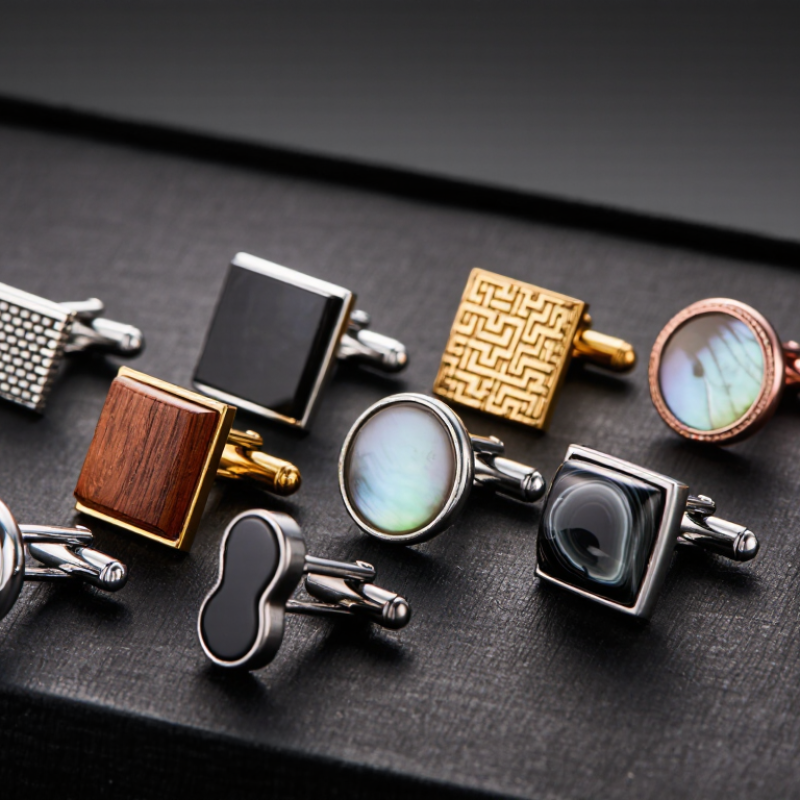
10 Cufflinks Designs Tips for Global Buyers?

Understanding Cufflink Styles and Their Design Features

Cufflinks Designs for Global Buyers: Understanding Cufflink Styles and Their Design Features

Cufflinks can change the character of a shirt within seconds. Classic knot designs suit business shirts, while geometric faces create a sharper evening look. During product reviews, I examine the hinge, post, and closure before judging appearance. A polished surface should feel smooth, without sharp edges or uneven plating. Materials such as stainless steel, sterling silver, enamel, and wood offer different weights, textures, and care needs. Buyers should also check whether the design fits French cuffs comfortably.

Tips: Match the shape to the occasion. Round styles appear traditional and balanced. Square designs feel more modern. Use subtle colors for formal uniforms or client meetings. Select enamel details when visual contrast matters. Test the backing repeatedly. A loose closure can damage the shirt or disappear during travel. Small details matter.

Global buyers should request accurate dimensions, product photographs, and material information before placing an order. A 16-millimeter face may look elegant online but feel too small on a wide cuff. I once underestimated the importance of post length when comparing similar samples. The shorter post worked poorly with thicker fabric. That mistake changed my inspection checklist. Buyers should also consider local preferences, climate, packaging strength, and care instructions. A beautiful design is less useful when humidity, transport, or daily handling quickly affects its finish.

Choosing Materials, Finishes, and Decorative Details

10 Cufflinks Designs Tips for Global Buyers

Choosing Materials, Finishes, and Decorative Details

Material choice shapes both appearance and daily performance. Stainless steel offers practical strength and resists common moisture exposure. Sterling silver feels more refined, but it needs regular polishing to reduce tarnish. Brass can create warmth and character, although its surface may change over time. Buyers should request material specifications and independent quality records before placing larger orders. I have found that samples reveal details that product photos often hide.

Finishes create different visual impressions. Mirror polishing looks bright and formal, while brushed surfaces hide small marks more effectively. Matte coatings feel modern, but uneven application can become obvious around edges. Gold-tone or black finishes require careful testing for adhesion and wear resistance. A finish that looks impressive on day one may disappoint after repeated handling. This is where my earlier assumptions were wrong.

Tips: Match the finish with the intended setting. Use subtle textures for everyday business wear. Reserve strong colors for controlled collections. Decorative details should remain clear, not crowded. Engraved initials, geometric lines, or small enamel areas can add distinction without excessive weight. Check whether moving parts operate smoothly and whether edges feel comfortable against fabric. Ask for close-up samples, coating information, and packaging details. Small defects matter. A slightly uneven emblem may signal weak production control, though not every flaw means poor quality. Keep the decision evidence-based.

Matching Cufflink Designs to Formality and Personal Style

Matching Cufflink Designs to Formality and Personal Style

Formal setting changes the design rules. For black-tie events, choose understated silver, onyx, or mother-of-pearl cufflinks. French cuffs should sit neatly under the jacket sleeve. Keep the shine controlled. For business formalwear, geometric shapes and brushed metal appear confident without looking theatrical. In my fitting experience, a smaller face usually works better with narrow shirt cuffs. Details matter. Avoid oversized novelty pieces in conservative offices.

Personal style can enter through texture, not loud decoration. Consider enamel color matching a tie, watch strap, or pocket square. Monograms add ownership, but excessive lettering can feel dated. Buyers should check the fastening mechanism, metal finish, and shirt compatibility before ordering. Spring bars are convenient, while whale-back and bullet-back styles often feel more secure. The choice is practical.

Bain and Company’s 2024 Luxury Report valued the global personal luxury goods market at approximately €362 billion in 2023, while noting stronger consumer attention to value and quality. That supports investing in durable construction rather than decorative excess. The Knot’s 2023 Real Weddings Study reported an average US wedding cost of $35,000, making coordinated accessories relevant for formal ceremonies. Still, those figures do not explain every market. Climate, cultural dress codes, and personal comfort can change preferences. I would test samples with the actual shirt, because catalogue images often hide scale, weight, and color differences. Keep it restrained.

10 Cufflinks Design Tips for Global Buyers

Matching cufflink designs to formality and personal style

The chart uses a practical 1–5 styling scale based on conventional dress-code guidance: higher formality favors understated metals, geometric shapes, and minimal decoration, while relaxed occasions allow more color, texture, novelty, and personal expression.

Evaluating Size, Fastening Types, Comfort, and Durability

10 Cufflinks Design Tips for Global Buyers

Size and fastening determine whether cufflinks feel refined or frustrating. A 16–18 mm face suits most shirts; larger faces can overpower narrow cuffs. Tip one: measure the shirt’s cuff opening. Tip two: check the post length. Tip three: choose rounded edges, especially for long workdays. Tip four: inspect the back mechanism. Fixed bars are simple, whale-tail closures feel secure, and chain links offer softer movement. Test both. Grand View Research valued the global jewelry market at approximately USD 353.26 billion in 2023, with projected growth through 2030. That wider market signals strong demand, but buyers still need product-level evidence.

Comfort depends on weight, balance, and surface quality. Tip five: keep each pair light enough for repeated wear. Tip six: avoid sharp corners near the wrist. Tip seven: request photographs of the hinge and underside. Tip eight: test closure tension across at least 100 cycles. This small test often exposes weak springs. I would not trust a mirror finish alone. Plating can look excellent while hiding poor base-metal preparation. The European Chemicals Agency references EN 1811 testing for nickel release from skin-contact items; global suppliers should request relevant test records. Requirements vary by destination.

Durability needs practical checks. Tip nine: compare coating thickness and adhesion results. Tip ten: inspect solder joints under magnification. A cufflink that survives a desk edge is more useful than one that only photographs well. Buyers should also request corrosion testing, packaging compression tests, and replacement-part information. My checklist is not perfect. I still revisit it after customer returns. Small details matter.

Checking Global Market Preferences, Packaging, and Customization Options

Global cufflink buyers rarely prefer one universal design. Market tastes vary by culture, climate, dress codes, and purchasing occasions. In production reviews, classic round, rectangular, and geometric styles usually provide dependable starting points. Matte steel suits modern businesswear, while polished finishes support formal events. Buyers should also test enamel colors, stone settings, and symbolic patterns with local customers. A design that feels elegant in one region may seem overly bright elsewhere.

Tip: Compare samples under daylight and office lighting. Check hinge movement, edge smoothness, plating consistency, and fastening strength. Small defects become obvious during bulk inspection. Packaging also needs regional thinking. A rigid box protects the cufflinks, but excessive layers increase shipping volume and waste. Soft pouches reduce cost, although they may offer weaker presentation. I have seen attractive products lose appeal because the box looked cheap. That mistake deserves more attention.

Customization can include logos, initials, surface textures, metal tones, insert cards, and box dimensions. Keep the artwork simple when the cufflink face is small. Fine lines may disappear after engraving. Ask for a digital proof and a physical pre-production sample before confirming quantities. Packaging text should remain clear and culturally appropriate, with accurate material and care information. Buyers should request traceable quality records, consistent sample approval, and realistic delivery schedules. Some suppliers promise too much. A cautious review is not pessimism; it prevents expensive corrections.

10 Cufflinks Designs Tips for Global Buyers? - Checking Global Market Preferences, Packaging, and Customization Options

No. Cufflink Design Typical Market Preference Recommended Materials Common Finish and Color Practical Size Range Packaging Recommendation Customization Options Suitable Buyer Segment Indicative Order Consideration
1 Classic Round Widely accepted for formal businesswear and wedding attire. Stainless steel, brass, sterling silver, or silver-plated base metal. Polished silver, brushed silver, or polished gold-tone. 16–20 mm diameter; 2–4 mm face thickness. Two-piece gift box with microfiber insert and care card. Engraved initials, date, monogram, or small emblem. Department stores, wedding retailers, corporate-gift buyers. A low-risk core style for broad international assortments.
2 Square Minimalist Preferred by buyers seeking clean, contemporary office accessories. 316L stainless steel or anodized aluminum. Matte silver, graphite, black, or gunmetal. 14–18 mm square; rounded corners improve comfort. Slim recyclable paper box with molded paper or fabric insert. Laser logo, geometric pattern, or two-tone edge. Modern menswear retailers and professional gift programs. Offer neutral colors to simplify cross-market merchandising.
3 Knot Style Popular for smart-casual wardrobes and relaxed wedding looks. Braided stainless steel wire, brass, or sterling silver. Polished silver, antique silver, or mixed metal. 15–19 mm diameter; flexible woven detail. Small hinged box with a molded insert to protect the braid. Alternative braid colors, engraved backing plate, or gift message. Fashion boutiques, wedding shops, and lifestyle gift stores. A texture-led option that adds variety without complex tooling.
4 Enamel Color Block Attractive to younger consumers and buyers seeking color accents. Copper or brass base with hard enamel and protective plating. Black, navy, white, burgundy, green, or selected custom colors. 15–18 mm face; keep edges smooth around enamel areas. Color-matched sleeve, foam insert, and protective tissue. Pantone-matched enamel, initials, pattern, or custom color pair. Independent fashion retailers and seasonal gift collections. Confirm color samples because enamel appearance varies by batch.
5 Wood and Metal Inlay Chosen for natural-material stories and sustainable-style positioning. Stainless steel with walnut, maple, bamboo, or certified wood inlay. Brushed steel with natural wood grain or dark wood contrast. 16–20 mm diameter; inlay should sit flush with the metal. Recycled board box with paper padding and material information card. Wood selection, engraved message, metal color, or custom inlay shape. Eco-conscious boutiques and premium casualwear retailers. Specify moisture protection and consistent wood-grain grading.
6 Geometric Pattern Fits contemporary formalwear and design-focused retail collections. Stainless steel, brass, or rhodium-plated base metal. High-polish and brushed contrast; silver, black, or gold-tone. 15–19 mm face; pattern depth commonly kept below 1 mm. Drawer-style box with a soft insert to prevent surface scratching. Custom lines, hexagons, chevrons, coordinates, or abstract motifs. Designer accessory stores and premium online retailers. Provide digital renderings before approving engraving or tooling.
7 Personalized Monogram Strong fit for wedding parties, anniversaries, and individual gifting. Sterling silver, stainless steel, brass, or plated alloy. Polished silver, gold-tone, rose gold-tone, or matte black. 16–20 mm diameter; lettering should remain legible at small scale. Gift box with personalization preview card and care instructions. Initials, dates, short names, handwriting, or bilingual lettering. Wedding retailers, personalized-gift sellers, and made-to-order shops. Set clear character limits and proof approval procedures.
8 Heraldic and Crest-Inspired Used for ceremonial dressing, heritage themes, and formal gifting. Die-cast brass, sterling silver, or stainless steel with enamel detail. Antique silver, antique gold, or darkened metal relief. 17–21 mm face; raised detail should not snag fabric. Rigid presentation box with foam insert and design description card. Family initial, institution emblem, motto, or custom relief design. Ceremonial retailers, heritage collections, and formal gift buyers. Confirm permission to use protected emblems and official insignia.
9 Convertible Two-Way Appeals to buyers who value versatility for work and evening use. Stainless steel or brass with a secure reversible mechanism. Silver and black, silver and blue, or polished and brushed contrast. 16–19 mm face; mechanism must operate without excessive looseness. Protective hard box with mechanism-use instruction card. Two custom faces, interchangeable inserts, or engraved reverse side. Business-gift programs, travel-accessory retailers, and premium sellers. Test repeated opening and closing before production approval.
10 Sustainable Recycled-Metal Style Suitable for buyers prioritizing traceability, durability, and reduced packaging. Recycled stainless steel, recycled brass, or certified recycled silver. Brushed steel, satin silver, or low-polish charcoal. 15–19 mm face; rounded edges support long-term wear. FSC-certified paper box, soy-based ink, and minimal plastic components. Recycled-content statement, custom engraving, and packaging artwork. Sustainable-fashion stores and environmentally focused corporate buyers. Request material documentation and packaging specifications.
Global buying checklist: Confirm metal composition, plating durability, nickel-release requirements, engraving accuracy, packaging dimensions, product weight, care instructions, sample approval, and destination-market labeling before placing a production order.

FAQS

What cufflink size suits most shirts?

A 16–18 mm face fits many standard cuffs. Measure the cuff opening before ordering. Larger faces may overpower narrow cuffs.

Which fastening type should buyers choose?

Fixed bars are simple and easy to inspect. Whale-tail closures feel secure. Chain links allow softer movement. Test every mechanism.

How can buyers improve wearing comfort?

Choose lightweight pairs with balanced weight. Rounded edges reduce wrist irritation during long workdays. Avoid sharp corners near the skin.

What durability checks should suppliers provide?

Request hinge photographs, coating adhesion results, and corrosion tests. Inspect solder joints under magnification. Test closure tension through at least 100 cycles.

Can a shiny finish prove good quality?

No. A mirror finish may hide weak base-metal preparation. Ask for relevant nickel-release records and material information. Requirements vary by destination.

Which designs work across different markets?

Round, rectangular, and geometric shapes offer practical starting points. Matte surfaces suit modern businesswear. Polished finishes support formal occasions. Local testing still matters.

How should buyers evaluate packaging?

Rigid boxes offer stronger protection and presentation. Soft pouches reduce shipping volume and cost. Excessive packaging creates waste. Packaging quality can affect perceived value.

What should buyers consider when customizing cufflinks?

Keep artwork simple on small faces. Fine lines may disappear after engraving. Request a digital proof and physical pre-production sample. I still miss details sometimes.

What records should buyers request before confirming quantities?

Ask for traceable quality records, approved samples, material details, and realistic delivery schedules. Confirm replacement-part information. Promises alone are not enough.

Conclusion

Selecting the right Cufflinks Designs requires a balanced understanding of style, quality, comfort, and market expectations. Buyers should compare classic, modern, minimalist, and themed shapes while considering how each design suits different formal occasions and personal preferences. Materials such as stainless steel, sterling silver, enamel, wood, or other durable options can create distinct appearances, while polished, brushed, matte, or plated finishes add visual character. Decorative details, including engraving, color accents, and textured surfaces, should enhance the design without reducing practicality.

Size and fastening type also influence comfort, security, and ease of use. Reliable mechanisms, smooth edges, appropriate weight, and durable construction are essential for regular wear. For global markets, buyers should evaluate regional preferences, popular colors, gift-giving habits, and packaging expectations. Customization can further support different customer groups through personalized shapes, engravings, colors, or packaging solutions. By reviewing these factors together, buyers can choose cufflinks that combine attractive design, dependable performance, and broad commercial appeal.


Henry

Henry

Henry is a dedicated marketing professional with a profound expertise in the company's offerings. With years of experience in the industry, he possesses an impressive understanding of the market dynamics and consumer behaviors that drive success. Henry is committed to sharing his insights through......