In the world of men’s fashion, the importance of a well-chosen Tie Bar Clip is often overlooked. Experts agree that these small yet significant accessories can elevate a simple outfit. Alex Turner, a renowned fashion consultant, once stated, “A Tie Bar Clip is not just functional; it’s a statement of style.” Choosing the right one requires attention to detail.
When considering a Tie Bar Clip, buyers should assess materials, designs, and functionality. The perfect clip can complement any tie and suit combination. However, many buyers struggle with decision fatigue due to overwhelming options. Some clips lack the strength to hold ties in place, leading to frustration.
Ultimately, a Tie Bar Clip can enhance personal style, but selection is key. Reflecting on your wardrobe and style preferences will guide you. Be mindful — the right choice can make all the difference in your overall appearance. Yet, even a trusted clip can sometimes fail to impress. Therefore, thoughtful reflection on your choices is essential.
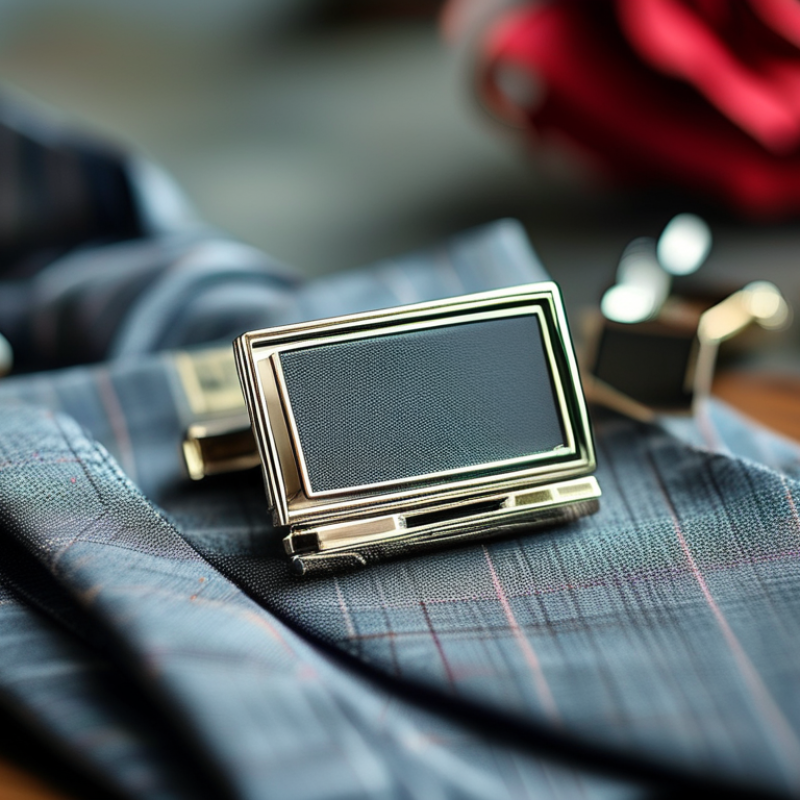
Tie bar clips are more than just functional accessories; they play a crucial role in men's fashion. These small items keep ties in place, preventing them from flapping around. They also help to maintain a polished appearance. The right tie bar can elevate a man’s outfit from ordinary to exceptionally stylish. Some clips are simple while others feature intricate designs. Choosing the right one can reflect personal style and professionalism.
When selecting a tie bar, consider the width. A tie bar should be about 75% the width of your tie. This proportion ensures a harmonious look. Pay attention to the material as well. Metal ties may offer a sleek and modern vibe, while classic finishes like brushed gold or silver can add a touch of elegance. Texture matters too; a smooth tie bar contrasts nicely with a patterned tie.
It's natural to feel overwhelmed with choices. Maybe the variety causes confusion. Not every style suits every occasion. A casual outing may not need an ornate clip. Simplicity often works best in such contexts. Remember, the goal is to enhance your look without drawing too much attention. Fine-tuning this balance requires thought and reflection.
When selecting a high-quality tie bar clip, the choice of materials is crucial. Common materials include stainless steel, aluminum, and precious metals like gold or silver. Stainless steel is popular due to its durability and resistance to tarnishing. It offers a sleek, modern look and can withstand daily wear. Aluminum is lightweight and comes in various colors, allowing for personal expression. However, it may scratch more easily than other metals.
Precious metals provide a touch of elegance and luxury. Gold and silver tie bars convey sophistication, but they require more care. They can tarnish and may need regular polishing. Some tie bars use enamel or gemstones for added flair. The quality of craftsmanship can reflect the overall aesthetic. Be wary, as not all manufacturers adhere to the highest standards.
Consider how the clip feels in your hand. A well-made tie bar should have a solid weight and sturdy clasp. It should secure your tie without pulling or pinching. Reflect on your style and how the tie clip fits with your wardrobe. A tie bar should complement your attire, not overpower it.
When selecting a tie bar clip, several essential factors come into play. Material quality is crucial. High-quality materials like stainless steel and titanium offer durability. According to a report by Market Research Future, the global accessory market is projected to reach approximately $60 billion by 2025. This highlights the increasing demand for durable yet stylish tie accessories.
Design is another significant aspect. The right clip complements the tie rather than overpowering it. Subtle designs are often preferred for formal settings, while bolder options may appeal to casual occasions. Research from the fashion industry indicates that nearly 45% of consumers prioritize style when purchasing accessories. This means that buyers need to balance personal style with practicality.
Lastly, the size of the tie bar clip affects functionality. A well-sized clip prevents the tie from shifting but should not be too large. According to fashion experts, the clip's length should ideally match the width of the tie. However, many options on the market may not adhere to this guideline, leading to mismatched aesthetics. Potential buyers must be mindful of these nuances when choosing the perfect tie bar clip.
When comparing Chinese tie bar clips to global alternatives, several factors stand out. Chinese manufacturers are known for their speed in production. According to a recent industry report, over 70% of tie clips produced globally come from China. This significant figure is largely due to the advanced manufacturing techniques adopted by Chinese factories. They utilize automated processes, which improves efficiency while reducing labor costs.
However, quality is a major concern for buyers. While many Chinese products are competitively priced, discrepancies in material quality can arise. Reports indicate that 40% of buyers from Europe and North America have encountered quality issues with Chinese imports. It’s essential to ensure that the materials used, like stainless steel and brass, meet international standards to avoid corrosion or breakage.
Durability is another key aspect. Chinese tie clips often incorporate modern designs, yet not all manufacturers emphasize longevity. Consumers must conduct thorough research and read reviews. In some cases, products that are cheaper in price may lack quality assurance. Making informed decisions can lead to better long-term investments in accessories that enhance one's appearance.
When sourcing tie bar clips from China, several considerations can enhance your experience. Knowing the market helps you find reliable suppliers. Understanding material and craftsmanship is crucial. Many buyers overlook quality checks, leading to unsatisfactory products.
Research potential suppliers thoroughly. Look for reviews and ratings from previous clients. This provides insight into their reliability. Don't hesitate to ask for sample products. A sample allows you to assess quality and design firsthand.
Communicating effectively is vital. Be clear about your requirements regarding size, material, and delivery times. Miscommunications can lead to delays and misunderstandings. A proactive approach often results in smoother transactions. Pay attention to the nuances of production timelines and local holidays that may impact sourcing.
: Common materials include stainless steel, aluminum, and precious metals like gold or silver.
Stainless steel is durable and resistant to tarnishing. It has a sleek, modern look for daily wear.
Aluminum is lightweight and available in various colors. However, it may scratch more easily.
Precious metals add elegance. They require care and can tarnish easily, calling for regular polishing.
Quality craftsmanship affects aesthetics. Not all manufacturers maintain high standards, so be careful.
Design should complement the tie without overpowering it. Subtle designs suit formal settings, while bolder ones are for casual occasions.
A well-sized clip prevents the tie from shifting. It should match the tie's width for balance.
Knowing the market and researching suppliers is essential for finding reliable partners and quality products.
Be clear about your requirements for size, material, and delivery. Miscommunication can lead to problems.
Always ask for sample products to assess quality and design before making a larger commitment.
The article "China Best Tie Bar Clip for Global Buyers How to Choose?" explores the significance of tie bar clips in men's fashion, highlighting their role in enhancing overall style and appearance. It examines various high-quality materials used in the production of tie bar clips, such as metals and finishes that contribute to their durability and aesthetic appeal.
When selecting a tie bar clip, several factors should be considered, including size, design, and compatibility with different ties. The article also compares Chinese tie bar clips with global alternatives, noting the competitive advantages offered by Chinese manufacturers. Finally, it provides practical tips for sourcing tie bar clips from China successfully, ensuring that buyers can make informed decisions regarding quality and cost-effectiveness.

JinJie Arts & Crafts